


Sump Pumps Explained
Installing a sump pump helps protect against flooding and shields the home from costly water damage, giving homeowners peace of mind. They are extremely beneficial, especially for homes in flood-prone areas. This post will discuss types of sump pumps and the benefits of sump pump installation.
Benefits of Sump Pump Installation
 A sump pump serves as a home’s first line of defense against basement flooding and water damage. These powerful water removal systems automatically activate when water levels rise in the sump pit, helping to prevent costly damage and flooding even if nobody is home. Sump pumps work by collecting excess water in a basin or sump pit and pumping it safely away from the home.
During heavy rainfall or spring thaw periods, flooding can occur. This flooding can lead to many problems, including costly water damage and mold growth that can be expensive to remediate. According to FEMA, a single inch of water can cause up to $25,000 in damage to a home. This means that investing in a sump pump system can help homeowners save a lot of money over the course of its lifespan. Beyond flood prevention, sump pumps help maintain a drier basement environment, reducing moisture and humidity levels that contribute to mold growth and musty odors.
Common Types of Primary Sump Pumps
When installing a sump pump to protect against flooding, there are two main types. These are submersible and pedestal sump pumps. Each serves the same fundamental purpose of water removal, but they operate differently and have different pros and cons. A submersible sump pump sits completely underwater in the sump pit, while a pedestal sump pump has its motor positioned above the basin and water.
Submersible sump pumps offer superior water pumping capacity for homes in flood-prone areas. These powerful units can handle higher volumes of water and operate more quietly since they’re fully submerged. However, submersible models typically cost more and have a shorter lifespan of about 10 years.
In contrast, pedestal sump pumps position their motors above the water, making them easier to access for maintenance and repairs. They also have an impressive 25-30 year lifespan and are more affordable. However, pedestal sump pumps operate more loudly and are not as powerful as submersible ones.
Secondary and Backup Sump Pumps
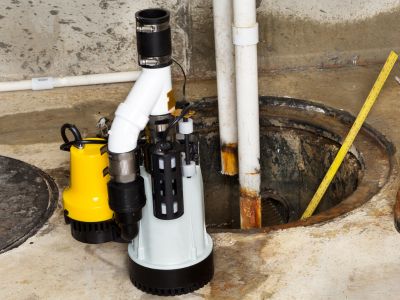 When installing a sump pump to protect against flooding, having a backup isn’t just a luxury. It can be a critical safeguard for the home when the primary pump fails or loses power during a power outage. They are especially important because severe weather events that can cause flooding often coincide with power outages. The basement remains vulnerable during these instances without a secondary sump pump system in place.
A battery-operated backup sump pump is a popular backup option that automatically kicks in when the primary sump pump loses power or fails. However, the batteries don’t last forever. Typically, these fully charged batteries last about five to seven hours when the sump pump is continuously pumping or one to three days when the pumping is non-continuous.
Water-powered sump pump backups offer another alternative that doesn’t depend on electricity or batteries. These systems work as long as the home has a water supply, using water pressure to power the sump pump. Professionals can help homeowners determine which types of sump pumps and backups would work best for their homes and budgets.
About Superior Plumbing, Heating & Air-Conditioning, Inc.
Superior Plumbing, Heating & Air-Conditioning, Inc. is a family-owned and operated company serving the Waterford Township community. They provide flat-rate pricing, professional service, and prompt service. Call them for sump pump installation and repair services in Waterford Township, MI.